The Real Egon Schiele (The Truth Lies in His Paintings)
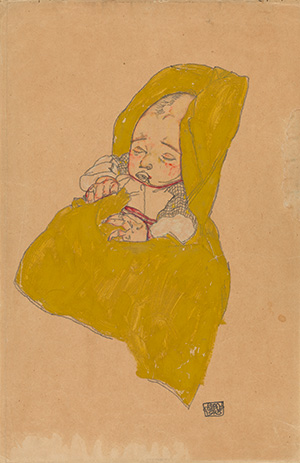
Egon Schiele (1890–1918) was a leading painter of Austrian Expressionism in the early 20th century and left behind approximately 3,000 works in his lifetime. He is known for his many self-portraits and nudes, as well as for the scandal of his arrest on suspicion of abducting a minor. He is also widely regarded as a tragic artist who died at the age of 28 from the Spanish flu during World War I. Perhaps due to the lasting appeal of his story, the number of Schiele’s admirers continues to grow year by year, and several films about his life have been released.
Do these images truly reflect the real Schiele?
The Unknown Schiele
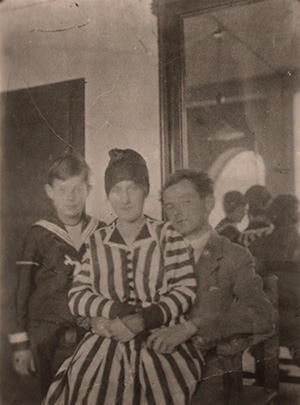
Heinrich Benesch, Schiele’s patron, collector, and dear friend, testified to Schiele’s humanity, stating that he never once saw him angry or in a bad mood and that he was a kind, selfless, yet passionate person.
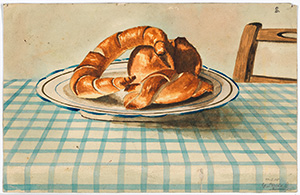
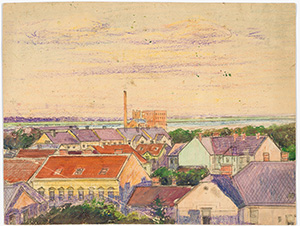
Schiele also painted many natural scenes, much as he did in his childhood.
He left behind many wonderful landscape paintings as well.
It should not be forgotten that Schiele captured numerous natural scenes, including delicate wildflowers blooming by the roadside and other familiar, beloved motifs. For Schiele, true joy seemed to lie not in status or honor, but in the uninhibited act of drawing. He left behind the following words, dedicated to his wife Edith (nicknamed Did):
“Dear Did, in this book, you shall record with a pencil or with colored pencils the secret wonders of nature in primitive reproduction so that later this may become a lasting remembrance of the experiences beheld.
Everything shall be an attempt – for what is ever complete? Who presumes to be able to do everything from the very beginning? Accordingly, everyone is the first who attempts, and rich is he who reaches a goal. Just as I was glad when I found my way back to nature, so shall you come to know wherein we live – if you have the will!” ¹
EGON SCHIELE
AUS EINEM SKIZZENBUCH
FÜR SEINE FRAU
“Liebe Did, in dieses Buch sollst du mit dem Bleistift oder mit farbigen Stiften die geheimen Wunder der Natur in primitiver Wiedergabe festhalten, damit dies später zum Andenken an die geschauten Erlebnisse bleibend wird.
Alles soll Versuch sein – denn was ist vollendet? Wer maßt sich an, von Anfang an alles zu können? Demgemäß ist jeder der Erste, welcher versucht, und reich ist er, wenn er ein Ziel erreicht. So wie ich froh war, als ich zur Natur zurückfand, so sollst du erfahren, worinnen wir leben – wenn du den Willen hast!”
¹ From: Letters and Prose by Egon Schiele. Edited by Arthur Roessler, 1921, p.203.
Translation from German to English by Leonie Kaschek.